
SLVEC triples community participants in Rio Grande experience

FOR IMMEDIATE RELEASE
The San Luis Valley Ecosystem Council (SLVEC) stewards 3.1 million acres of public lands in the Rio Grande region through collective public action.
MANASSA, Co. - Throughout 2026, the San Luis Valley Ecosystem Council (SLVEC) tripled its community presence along the Rio Grande, gathering more than 60 people to experience this landscape through a cultural and historical lens.
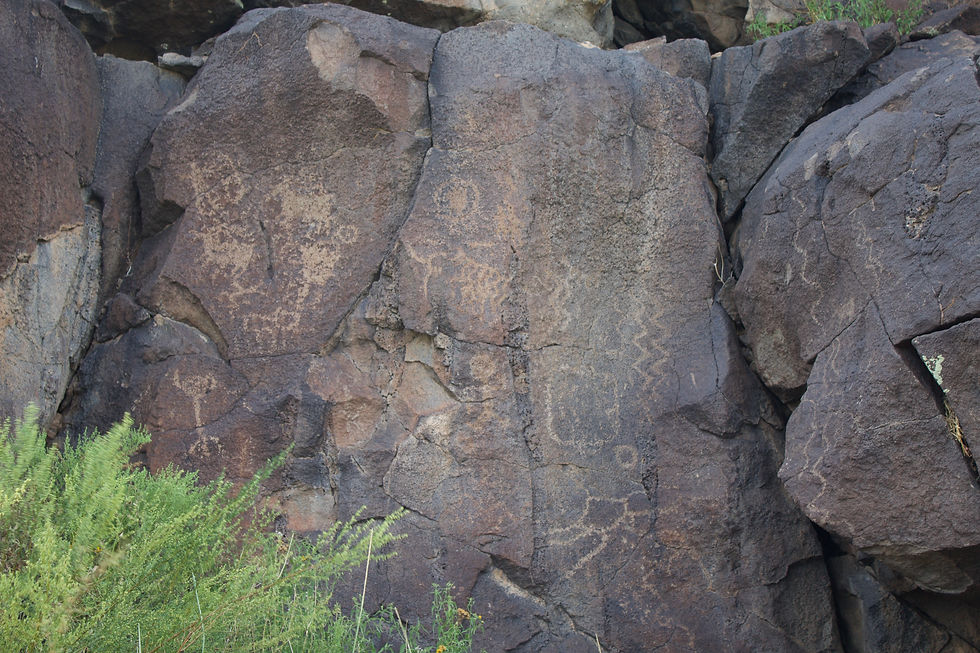
These educational tours, led by local researcher Loretta Mitson, showcase the natural, cultural, and historical values that reflect 13 millennia of human occupation in the Rio Grande region. These efforts stem from SLVEC’s ongoing campaign to conserve these public lands as a National Conservation Area (NCA).

SLVEC hosted its largest tour of the Rio Grande corridor on Juneteenth, drawing in over 40 community members. Because of its popularity, SLVEC organized a secondary excursion for October to accommodate a waitlist of more than a dozen. Approximately 20 participants joined this additional opportunity.
“The tour helped me see the Rio Grande landscape not simply as a beautiful place, but as a living connection between the past, present, and future,” said Mavi Valdez-Apodaca, who attended SLVEC's June experience.
Tribal nations, representative aides, nonprofit partners, media, educators, and other community members participated in these excursions.
SLVEC asked the community to reflect on their experience as part of the organization’s coalition advocating for permanent protections for the Rio Grande landscape.
“This region may seem desolate,” Mitson said, “but the stories bring the landscape alive with vivid detail.”
Participants selected the top three significant values: cultural resources, wetlands and riparian areas, and wildlife. Other significant values noted on the landscape are historical sites, plant communities, traditional values, scenic views, and recreation opportunities. Many participants noted the correlation behind these values.
Based on feedback, this excursion shifted most perspectives on the region.
"My perspective deepened & broadened with the experiences I had, the visual landscapes I witnessed, the storytelling & history that was shared," said Marta Shoman.
SLVEC believes this section of the Rio Grande region deserves designation as a National Conservation Area (NCA). Congress can enact this permanent protection for lands with significant values. Under the Bureau of Land Management's multiple-use mandate, these lands are managed to balance traditional uses with conservation and recreation. Designations can limit extractive industries to conserve the landscapes with significant values.
Approximately 85% of BLM landscapes are open to extractive industries, such as mining and fossil fuel development, including areas within this Rio Grande corridor.
Nearly 85% of our participants agree that this should be a protected landscape, while the remaining 15% are unsure. Unsure responses cited a need for “balance between conservation and thoughtful consideration of development needs” and for designing these designations “on a case-by-case basis.”
"These landscapes and wildlife hold significant meaning to the living beings before colonization," said Cruz Concha, a tribal member of the Taos Pueblo. "These places were well cared for and not overused. Protection needs to be in place for future generations."

Comments